How to Collect Back Child Support Legally | Los Angeles Divorce


How to Collect Back Child Support Legally

If your ex has missed child support payments, it can be incredibly frustrating. Fortunately, there are legal avenues you can explore to ensure your child receives the financial support they deserve. In this blog post, we’ll discuss how to legally collect back child support, the methods available, and share some real-life success stories.

Understanding Child Support Enforcement

Child support orders are enforceable, meaning they are legally binding. If your ex is behind on payments, it’s crucial to understand that unpaid child support, also known as arrears, does not just disappear. Courts take non-payment seriously. Even if your ex claims they can’t pay right now, they are still responsible for the full amount plus interest on any overdue payments.

Many parents are unaware that there are multiple enforcement methods available through the courts. These include wage garnishments, bank levies, and even property liens. Knowing your options is the first step in collecting the support owed to your child.

Steps to Collect Back Child Support

To initiate the collection process, you can either file a motion for enforcement with the court or work with California’s Department of Child Support Services (DCSS). Here’s a breakdown of the steps involved:

  1. File a Motion for Enforcement:This legal document requests the court to enforce the child support order. You may need to provide evidence of the missed payments.
  2. Work with DCSS:DCSS can take legal action on your behalf. They have the authority to garnish wages, levy bank accounts, and even suspend your ex’s driver’s license if they continue to miss payments.
  3. Request Additional Enforcement Actions:In some cases, the state can intercept tax refunds, lottery winnings, and even professional licenses until the debt is paid.

Real-Life Success Stories

We’ve worked with numerous clients who struggled for years to collect unpaid child support. One notable case involved a parent who hadn’t received payments in over a year. By filing an enforcement request through California’s DCSS, the state began garnishing wages and intercepting tax refunds, ensuring they finally received what was owed.

Another case involved a mother owed several years of back child support. By filing the proper motions, we ensured that her ex’s wages were garnished, leading to regular payments going forward. Without legal intervention, she would have continued to struggle to collect what was rightfully owed.

Why You Should Seek Legal Help

At Divorce661, we specialize in helping parents enforce child support orders and recover unpaid amounts. Here are some reasons to consider seeking legal assistance:

  • Expert Guidance: Navigating the legal system can be complex. We ensure you take the right steps to collect past-due support.
  • Flat-Fee Services: We offer flat-fee divorce services, making it accessible without the burden of expensive lawyers.
  • Remote Assistance: Handle everything from the comfort of your home. We provide 100% remote services.

What to Do If Your Ex Refuses to Pay

If your ex continues to refuse payment, it’s essential to take immediate action. Ignoring the situation will not make it go away. Here are the steps you can take:

  1. Document Everything:Keep a detailed record of all missed payments, communication attempts, and any other relevant information.
  2. File for Contempt of Court:If your ex fails to comply with the court order, you can file a motion for contempt. This can result in penalties, including fines or even jail time for the non-compliant parent.
  3. Explore Additional Enforcement Options:Consider working with DCSS or hiring a child support collection attorney to explore other enforcement options.

Common Enforcement Methods

Here are some of the most common methods for collecting back child support:

  • Wage Garnishment: This allows a portion of your ex’s wages to be automatically deducted and sent to you until the debt is paid.
  • Bank Levies: The court can order the bank to freeze your ex’s account and transfer funds directly to you.
  • Property Liens: The court can place a lien on your ex’s property, preventing them from selling or refinancing until the debt is settled.
  • Tax Refund Interception: The state can intercept tax refunds to cover unpaid child support.

Conclusion

Collecting back child support can feel overwhelming, but it is entirely possible with the right knowledge and support. Remember, you are not alone in this journey. If you’re facing challenges in collecting unpaid child support, consider reaching out for legal assistance. At Divorce661, we’re here to help you navigate the process and ensure your child receives the financial support they deserve.

Need help enforcing child support payments? Visit Divorce661.com for a FREE consultation today!
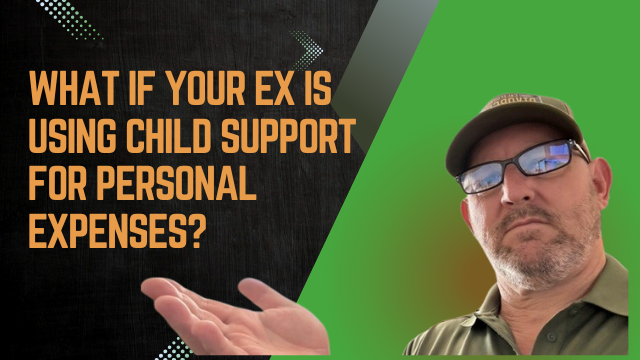
What If Your Ex Is Using Child Support for Personal Expenses? | Los Angeles Divorce


What If Your Ex Is Using Child Support for Personal Expenses?

Understanding Child Support in California

Child support is a crucial financial mechanism designed to ensure that children’s needs are met after a separation or divorce. In California, child support payments are intended to cover essential expenses like housing, food, clothing, school fees, and medical care. However, the law doesn’t require the receiving parent to provide an itemized account of how the money is spent.

This lack of stringent monitoring can lead to situations where one parent suspects the other of misusing funds. If you believe your ex is using child support for their personal expenses rather than your child’s needs, it’s important to know your options.

What Are the Legal Implications?

California courts generally assume that child support payments contribute to meeting the child’s basic needs. If those needs are being neglected, the court may not intervene unless there is compelling evidence. This is where documentation becomes essential.

Gathering evidence of neglect—such as lack of essentials like food, clothing, or medical care—can strengthen your case if you decide to take action. Courts typically will not question spending as long as the child’s basic needs are met. However, if you can demonstrate that your child is suffering due to the misuse of funds, you may have grounds for a modification of your custody or support agreement.

Documenting Your Concerns

To make a compelling case regarding the misuse of child support, it’s vital to document any concerning patterns. Look for signs that your child is lacking in basic necessities while the receiving parent is spending excessively on personal items. This evidence can range from photos of insufficient clothing to records of missed medical appointments.

For example, one parent noticed that their child frequently lacked school supplies and proper clothing while their ex was spending money on luxury items. By gathering evidence of this neglect, they filed a motion with the court, which led to a successful request for joint custody and a more structured financial support agreement.

Real-Life Case Study

In a recent case, a father was deeply concerned when he noticed his child was not receiving necessary school supplies. Meanwhile, the mother appeared to be spending child support funds on personal luxuries. Instead of halting payments—which could have led to legal repercussions—the father decided to document the situation meticulously.

He gathered evidence of financial neglect and filed a motion for joint custody. The court responded positively, allowing him to secure additional parenting time and adjust the child support payments. This case illustrates that proactive measures can lead to significant changes when it comes to child support and custody arrangements.

When to Request a Modification

If you suspect that your ex is misusing child support, you might wonder when it’s time to request a custody or support modification. If you notice your child’s basic needs are consistently unmet, it’s essential to act promptly. Document your observations and consult with a legal professional experienced in family law.

Modifications can be requested if:

  • Your child’s essential needs are not being met.
  • There is a noticeable change in your ex’s financial situation.
  • Your observations of spending patterns raise concerns about your child’s welfare.

Taking action sooner rather than later can help ensure your child receives the support they need.

How Divorce661 Can Help

At Divorce661, we specialize in helping parents navigate the complexities of child support and custody modifications. Our team understands the emotional and financial stakes involved in these cases. We emphasize a flat-fee structure to make legal support more accessible, eliminating the burden of expensive hourly rates.

Our services are 100% remote, allowing you to handle everything from the comfort of your home. Whether you need assistance modifying child support or filing for custody changes, we are here to help you protect your child’s well-being.

What Should You Do Next?

If you suspect that your ex is misusing child support funds, the first step is to document your concerns meticulously. Keep records of any signs of neglect and gather evidence that may support your claims. Once you have sufficient documentation, consult with a legal professional who can guide you through the process of filing for a modification.

Taking these steps not only helps protect your child’s welfare but also ensures that the child support system operates as intended.

Conclusion

Child support is designed to ensure that children’s needs are met, but circumstances can arise where funds may be misused. If you find yourself in a situation where you suspect your ex is using child support for personal expenses, it’s essential to understand your rights and options.

Document your concerns, seek legal advice, and take proactive steps to ensure your child’s well-being. Remember, the court’s primary concern is the best interest of the child, and demonstrating that you are advocating for their needs can make a significant difference.

How to Establish a Fair Child Support Agreement | Los Angeles Divorce


How to Establish a Fair Child Support Agreement

Creating a fair child support agreement is crucial for ensuring your child’s financial needs are met while keeping the arrangement reasonable for both parents. Navigating this topic can be challenging, but understanding how child support is calculated and legally enforced is essential. Below, we’ll dive into the details of establishing a fair child support agreement that works for everyone involved.

Understanding Child Support in California

In California, child support is determined through a legal formula that takes into account several factors, including each parent’s income, custody time, and specific expenses such as healthcare, education, and childcare. The court must approve any negotiated support amount to ensure it aligns with state guidelines and serves the child’s best interests.

Key Factors in Calculating Child Support

  • Income: Each parent’s income plays a vital role in determining support obligations. This includes wages, bonuses, and any other earnings.
  • Custody Arrangement: The amount of time each parent spends with the child can impact the support amount. Equal custody may lead to lower support payments.
  • Child’s Needs: Consideration must be given to the child’s actual needs, including education, healthcare, and extracurricular activities.

The Importance of Full Financial Disclosure

To create a fair agreement, both parents should fully disclose their financial situations. This means not only sharing income but also discussing any other relevant financial obligations. Transparency is key to ensuring that the support amount is fair and meets the child’s needs.

Adjustments for High Earners

In cases where one parent has significantly higher earnings, adjustments may be necessary to maintain the child’s lifestyle. It’s important to ensure that the child continues to enjoy a stable lifestyle, regardless of the parents’ financial situations.

Documenting the Child Support Agreement

While parents can negotiate child support amounts, it’s critical to document these agreements formally. Verbal agreements can lead to legal trouble down the line. Here’s why:

The Risks of Informal Agreements

We’ve seen clients who attempted to set up informal child support agreements only to face issues later. For instance, two parents verbally agreed on a lower support amount, thinking it was fair. Years later, one parent sought back support at the court-ordered rate, and because the original agreement wasn’t legally documented, the paying parent owed thousands in unpaid child support.

The Power of Court Approval

Having a court-approved agreement ensures that both parties are legally protected. This means that if one parent fails to make payments, the other can seek legal recourse. Recently, we assisted a father in adjusting his child support agreement after his income changed. By properly filing a modification request, he secured a fairer payment amount while ensuring his child continued to receive adequate financial support.

Including Extra Expenses in the Agreement

Establishing a fair child support agreement isn’t just about the basic payment. It’s essential to include additional expenses that may arise, such as:

  • Healthcare Costs: Medical expenses can vary significantly, so it’s vital to consider this in the agreement.
  • Education Fees: School fees, tutoring, and other educational expenses should also be factored in.
  • Extracurricular Activities: Costs associated with sports, arts, and other activities that contribute to the child’s development should not be overlooked.

Why Choose Divorce661?

At Divorce661, we specialize in helping parents negotiate and file fair, enforceable child support agreements. Here’s what we offer:

  • Flat-Fee Divorce Services: No need for expensive lawyers!
  • 100% Remote Services: Handle everything from the comfort of your home.
  • Expert Guidance: We ensure your agreement is legally sound and structured to meet your child’s needs.

Real Client Stories

Our experience has shown us the importance of having a properly documented child support agreement. For instance, one case involved two parents who thought they could keep things simple with a verbal agreement. When one parent stopped making payments, the other had no legal way to enforce the agreement. Had they filed it with the court, it would have been legally binding, preventing financial hardship.

Filing Your Child Support Agreement

Once you’ve negotiated the terms, the next step is to file the agreement with the court. This process is essential for making the arrangement legally enforceable. Here’s how to do it:

Steps to File

  1. Gather all necessary documentation, including income statements and details about the child’s needs.
  2. Submit the agreement to the court for approval.
  3. Ensure both parties sign the agreement in front of a notary to validate it.
  4. File the agreement with the appropriate court to make it enforceable.

Modifying Child Support Agreements

Life is unpredictable, and circumstances can change. If either parent’s financial situation changes significantly, it may be necessary to modify the child support agreement. Here’s how:

When to Consider a Modification

Common reasons for modifying child support include:

  • Change in Income: If one parent loses their job or experiences a significant income change, a modification may be necessary.
  • Change in Custody: If the custody arrangement changes, this can also impact the support amount.
  • New Expenses: Unexpected expenses related to the child’s needs may also warrant a review of the agreement.

The Modification Process

To modify an existing child support agreement, follow these steps:

  1. Communicate with the other parent about the need for modification.
  2. Gather documentation supporting the request.
  3. File a modification request with the court.
  4. Attend a hearing if necessary to explain the changes.

Final Thoughts

Establishing a fair child support agreement is vital for ensuring that both parents can contribute to their child’s well-being. By understanding the legal framework, documenting agreements properly, and being open to adjustments, parents can create a supportive environment for their children. If you need assistance in creating or modifying a child support agreement, don’t hesitate to reach out to us for a free consultation.

For more information, visit Divorce661.com.

Understanding Child Support Waivers: What You Need to Know | Los Angeles Divorce


Understanding Child Support Waivers: What You Need to Know

Child support is often a contentious issue for divorced or separated parents. Many parents wonder if they can waive child support altogether, especially when both parties agree on the arrangement. However, it’s important to understand that child support is ultimately the right of the child, not merely a decision between parents. In this article, we’ll explore the complexities of waiving child support, the legal requirements involved, and the potential pitfalls of informal agreements.

The Right of the Child

One fundamental principle of child support is that it exists to serve the best interests of the child. Even if both parents agree to waive child support, a court must approve this decision. This requirement ensures that the child’s welfare is prioritized above parental convenience or mutual agreements.

State Guidelines and Their Importance

State guidelines play a crucial role in determining child support obligations. These guidelines take into account several factors, including:

  • Parents’ income
  • Custody arrangements
  • The specific needs of the child

These metrics help to ensure that child support is fair and adequate. Understanding your state’s guidelines is essential for any parent navigating child support issues.

Mutual Agreements Require Court Approval

While parents may reach a mutual agreement regarding child support, it’s imperative that this agreement is formalized through the court. Verbal agreements are not legally binding; they lack the necessary documentation to ensure enforceability. Courts evaluate whether waiving support truly benefits the child, making it essential to seek official modification.

Consequences of Informal Agreements

Consider a real-world scenario: a client and their ex-partner verbally agreed to waive child support because they shared equal custody. Years later, one parent sought back support, leading to thousands owed due to the lack of official documentation. This example illustrates the risks associated with informal arrangements.

Steps to Legally Modify Child Support

To properly modify child support, follow these steps:

  1. File a legal modification request.
  2. Seek court approval for the modification.

This process not only safeguards both parties but also ensures that the child’s needs are met. By securing court approval, parents can prevent future disputes and ensure that their agreements are legally binding.

Protecting Yourself from Financial Risks

Without court approval, child support obligations remain enforceable. Parents may find themselves in unexpected financial burdens if they rely solely on verbal agreements. It’s crucial to formalize any agreements to protect both parties from potential legal complications.

Why Choose Divorce661?

At Divorce661, we specialize in helping parents navigate the complexities of child support modifications. Here’s why you should consider our services:

  • We help parents legally modify child support orders and avoid financial risks.
  • Our flat-fee divorce services eliminate the need for expensive lawyers.
  • We provide a 100% remote service, allowing you to handle everything from home.
  • We ensure your agreement is legally binding, preventing future disputes.

The Importance of Documentation

Documentation is key when it comes to child support. Without official records, parents may find themselves facing unexpected legal challenges. A court must confirm that any waiver is in the child’s best interest, which can only happen with proper documentation.

Real-World Implications

The case mentioned earlier serves as a cautionary tale. Without proper legal documentation, one parent ended up owing thousands in back support. This situation highlights the importance of understanding the legal landscape surrounding child support waivers.

Conclusion

In summary, while parents may want to waive child support by mutual agreement, courts must ultimately approve such decisions to protect the child’s welfare. Understanding state guidelines, the importance of court approval, and the risks associated with informal agreements can help parents navigate these challenging waters. If you need assistance with child support modifications or waivers, don’t hesitate to reach out to us at Divorce661 for a free consultation.

Join the Conversation

What are your thoughts on child support agreements? Should parents have full control over these decisions, or should courts always be involved? Drop a comment below with your perspective!

What If My Ex Is Hiding Income to Avoid Paying Child Support? | Los Angeles Divorce


What If My Ex Is Hiding Income to Avoid Paying Child Support?

When it comes to child support, transparency is essential. Unfortunately, some parents resort to hiding income to dodge their financial responsibilities. This can have serious implications for both the child and the custodial parent. Understanding how to address this issue is crucial for ensuring that your child receives the support they are entitled to. Let’s break down the steps you can take to uncover hidden income and secure the rightful child support payments.

The Legal Framework for Child Support in California

California law mandates full financial disclosure from both parents when determining child support. This means that parents must provide accurate information about their income, assets, and expenses. If a parent underreports their earnings, the court has the authority to impute income based on lifestyle and financial records.

Imputed income refers to the income that a court assigns to a parent who is not accurately reporting their earnings. This way, the court can ensure that child support payments are fair and reflect the true financial situation of both parents.

Recognizing the Signs of Hidden Income

So, how do you know if your ex is hiding income? Here are some red flags to look out for:

  • Inconsistent Financial Statements: If your ex’s reported income seems significantly lower than their lifestyle suggests, it might be a sign of hidden income.
  • Unexplained Expenses: Large expenditures that don’t align with reported income can indicate that money is being concealed.
  • Frequent Job Changes: If your ex frequently changes jobs or claims to be underemployed, it could be an attempt to manipulate their reported income.

Gathering Financial Evidence

Once you suspect hidden income, your next step is to gather evidence. Here’s how you can build your case:

  • Bank Statements: Collect bank statements from both your ex and any joint accounts. Look for unusual deposits or withdrawals that might indicate undisclosed income.
  • Tax Returns: Request copies of your ex’s tax returns. Compare their reported income with lifestyle indicators.
  • Business Records: If your ex owns a business, examine its financial statements. Look for discrepancies between reported income and actual earnings.

When to Hire a Forensic Accountant

If you suspect that your ex is hiding significant income, it may be wise to hire a forensic accountant. These professionals specialize in uncovering hidden assets and income. They can analyze financial records, trace cash flow, and provide expert testimony if necessary. Their expertise can be invaluable in building a strong case for child support modification.

Filing a Motion for Child Support Modification

Once you have gathered sufficient evidence, the next step is to file a motion with the court for child support modification. Here’s how to do it:

  • Document Your Findings: Compile all the evidence you’ve collected, including bank statements, tax returns, and any forensic accountant reports.
  • File the Motion: Submit your motion to the court, requesting a modification of the child support order based on imputed income.
  • Prepare for Court: Be ready to present your evidence clearly and persuasively. The court will consider your findings and may order a new child support payment based on the true financial situation.

Real Client Story: Exposing Hidden Income

Let’s consider a real-life example. One parent claimed to earn significantly less than their actual income. The other parent took action by obtaining bank statements, business records, and tax filings. This evidence revealed the hidden income, leading to an increased child support order and back payments. This case illustrates the importance of vigilance and the power of proper documentation.

The Importance of Legal Guidance

Navigating child support issues can be complicated, especially when hidden income is involved. Working with a knowledgeable attorney can make a significant difference. They can guide you through the process, help you gather evidence, and represent your interests in court. At Divorce661, we specialize in helping parents uncover hidden income and enforce child support payments.

Understanding the Implications for Your Child

When a parent hides income, it doesn’t just affect financial arrangements; it impacts your child’s future. Adequate child support is essential for providing necessities like education, healthcare, and more. By ensuring that your ex is held accountable, you are taking steps to secure a better future for your child.

Key Takeaways

Dealing with hidden income in child support cases is challenging but not impossible. Here are the key points to remember:

  • California law mandates full financial disclosure from both parents.
  • Recognizing signs of hidden income is crucial for taking action.
  • Gathering financial evidence is the first step in building your case.
  • Consider hiring a forensic accountant for complex situations.
  • File a motion for child support modification with documented evidence.
  • Working with an attorney can provide valuable guidance and support.

Final Thoughts

Hidden income can pose significant challenges in child support cases, but by taking action and seeking the right resources, you can uncover the truth. Remember, your child’s well-being is paramount. If you suspect your ex is hiding income, don’t hesitate to seek help. Visit Divorce661 for a free consultation today, and let’s work together to ensure your child receives the support they deserve.

How to Handle Child Support When One Parent Becomes Unemployed | Los Angeles Divorce


How to Handle Child Support When One Parent Becomes Unemployed

Job loss can be a daunting experience, especially when you have child support obligations. Many people mistakenly believe that losing a job automatically alters their child support payments. However, the reality is more complex. Understanding the legal framework surrounding child support during unemployment is crucial to avoid financial pitfalls.

The Reality of Child Support Obligations

When a parent loses their job, child support obligations do not automatically cease or decrease. This is a common misconception. Child support orders remain in effect until officially modified by the court. Ignoring this fact can lead to significant financial repercussions, including accumulating unpaid support and penalties.

Why Child Support Does Not Stop with Job Loss

Many individuals mistakenly believe that their child support payments will be automatically adjusted if they lose their job. Unfortunately, that is not the case. Courts expect parents to fulfill their obligations regardless of their employment status. Unpaid child support can accrue interest, leading to a larger debt over time.

Real-Life Example

Consider a client who lost their job and assumed the court would adjust their child support payments on its own. Instead of taking action, they stopped making payments, thinking it would be temporary. The result? Thousands of dollars in unpaid support and penalties. This situation underscores the importance of acting swiftly to avoid accumulating debt.

Steps to Modify Child Support After Job Loss

When facing unemployment, it’s crucial to take proactive steps to modify your child support obligations legally. Here are the key actions you should take:

  • File a Request for Order (RFO): This is the first step in modifying your child support order. It’s essential to act quickly, as modifications are not retroactive. Waiting only increases your debt.
  • Provide Proof of Job Loss: Documentation such as pay stubs or termination letters is necessary to demonstrate your change in financial circumstances.
  • Continue Making Partial Payments: If possible, continue making partial payments. Courts appreciate when parents show effort in supporting their children, even during financial hardship.

Importance of Documentation

If you are the receiving parent, it’s crucial to document any missed payments. This documentation will be vital for enforcement requests if the paying parent stops making payments without a court-approved modification.

Consequences of Inaction

Failing to take action can lead to severe financial repercussions. If a parent stops making payments without a modification, they may find themselves in a legal battle over unpaid support. This can lead to further financial strain and potential legal penalties.

Understanding Imputed Income

Even if you are unemployed, the court may still expect you to pay child support based on your earning potential. This is known as “imputed income.” The court will assess your ability to earn based on various factors, including your previous employment history, education, and job market conditions.

What the Court Considers

When determining imputed income, the court will look at:

  • Your past earnings and job history
  • Your education and skill set
  • Efforts made to find new employment

If a court determines that you are intentionally underemployed or unemployed to avoid child support, they may impute income based on your earning potential rather than your actual earnings.

Legal Assistance for Modifications

At Divorce661, we specialize in helping parents navigate the complexities of child support modifications. Our team understands how to legally adjust child support orders to reflect actual financial situations, helping you avoid unnecessary debt.

Why Choose Divorce661?

  • Flat-fee divorce services, eliminating the need for expensive lawyers.
  • 100% remote services, allowing you to handle everything from the comfort of your home.
  • Expertise in ensuring that payments reflect your current financial situation.

Final Thoughts

Job loss can be an incredibly stressful experience, but it doesn’t have to lead to financial disaster. Understanding your child support obligations and taking action to modify them legally is essential. By filing for modifications promptly and providing the necessary documentation, you can avoid accumulating significant debt.

If you find yourself in this situation, don’t hesitate to reach out for help. At Divorce661, we offer free consultations to discuss your case and explore your options. Together, we can navigate this challenging time and ensure your child’s needs are still met.

Have you faced challenges with child support during unemployment? Share your thoughts in the comments below. Should child support laws be more flexible when a parent loses their job? Let’s discuss!

Understanding Child Support Modifications: What You Need to Know | Los Angeles Divorce


Understanding Child Support Modifications: What You Need to Know

Child support can be a complex and often contentious issue for divorced or separated parents. Many wonder whether they can refuse payments or modify existing agreements. The truth is, navigating child support requires a clear understanding of the law and your rights. This blog will delve into when child support payments can be legally stopped, modified, or waived, and the consequences of failing to follow proper legal procedures.

The Importance of Court Approval

When it comes to child support, one crucial fact stands out: stopping payments without a court-approved modification can lead to serious legal consequences. Even if both parents agree to stop payments, the law mandates that any changes must be sanctioned by the court. This is primarily to ensure that such decisions are in the best interest of the child.

Legal Consequences of Stopping Payments

Failing to modify a court order can result in various penalties, including wage garnishment and even license suspension. For example, if one parent stops making payments without a legal modification, they could be held responsible for arrears, leading to financial strain and legal troubles.

What Happens During Unemployment?

A common misconception is that unemployment automatically halts child support obligations. This is not the case. If a parent loses their job, it’s crucial to file a Request for Order (RFO) immediately to prevent the accumulation of debt. To support your request for modification, you will need to provide proof of job loss, such as termination letters or unemployment benefits documentation.

Continuing Payments During Job Loss

If possible, continue making partial payments during this period. This demonstrates your effort to support your child and can be taken into account by the court when considering your modification request.

Financial Disclosure and Child Support Fraud

Courts require full financial disclosure to prevent child support fraud. If you suspect the other parent is hiding income, gather financial evidence and request a modification to ensure fair calculations of child support. Transparency is key in these situations to ensure both parties contribute appropriately to the child’s needs.

Mediation as a Tool for Resolution

Mediation can be a valuable tool for resolving custody disputes without court intervention. It encourages cooperation between parents, allowing them to create a parenting plan that focuses on the child’s best interests.

Documenting Reasons for Modifications

When seeking to modify custody or support arrangements, document your reasons thoroughly. This will help in negotiations and in any legal proceedings. If you are dealing with a controlling co-parent, consider seeking professional guidance to navigate the complexities of legal processes effectively.

Real Client Case: The Consequences of Informal Agreements

Consider a real-life example where two parents agreed that child support was no longer necessary but failed to file a court modification. The paying parent was still legally responsible for back payments, leading to arrears and significant financial penalties. This case underscores the importance of formalizing any agreements through the court system.

Seeking Professional Help

If you find yourself needing to modify or stop child support payments, consult with professionals who specialize in family law. At Divorce661, we help parents navigate the legal landscape to ensure any changes to child support are binding and enforceable.

Why Choose Divorce661?

  • We assist in legally modifying or terminating child support.
  • Flat-fee divorce services—no expensive lawyers needed.
  • 100% remote services—handle everything from home.
  • We ensure that any changes to child support are legally binding and enforceable.

Conclusion

Understanding child support modifications is crucial for divorced or separated parents. Whether you’re looking to modify payments due to unemployment or simply seeking a more equitable arrangement, it’s essential to follow proper legal channels. Always remember that verbal agreements do not hold up in court; formal modifications are necessary to protect your rights and ensure the well-being of your child.

Get a Free Consultation

If you’re in need of assistance with modifying or stopping child support, visit Divorce661.com for a free consultation today. Let’s discuss your situation, and together, we can ensure the best outcome for you and your child.

How to Legally Collect Back Child Support | Los Angeles Divorce


How to Legally Collect Back Child Support

When it comes to child support, the stakes are high. If your ex-partner has missed payments, you might be feeling overwhelmed and unsure of your options. The good news is that unpaid child support, or arrears, never disappears. It’s a legal obligation that continues to exist regardless of circumstances. Courts take non-payment very seriously, and there are multiple ways to recover what you’re owed. Let’s dive into the various methods available to help you collect back child support legally.

The Importance of Understanding Child Support Obligations

First things first: it’s essential to recognize that child support orders are legally enforceable. Ignoring missed payments is not an option, as the consequences can be severe. When a parent fails to pay child support, interest accumulates, which increases the debt over time. Courts ensure accountability through various enforcement mechanisms, making it crucial for custodial parents to take action.

Why Unpaid Child Support Never Disappears

Unpaid child support remains a legal obligation that persists until it is paid in full. This means that even if circumstances change—like the non-custodial parent’s financial situation or living arrangements—the obligation to pay does not dissipate. Courts can and will enforce these orders, which can lead to serious consequences for the non-compliant parent.

How to File an Enforcement Request

If you find yourself in a situation where your ex-partner is not making child support payments, filing an enforcement request is a crucial step. This legal action can prompt the court to take measures to ensure compliance with the child support order.

Steps to File an Enforcement Request

  1. Gather Documentation: Keep meticulous records of all missed payments and due dates. This documentation is vital when filing an enforcement request with the court.
  2. Contact the Appropriate Agency: In California, you can work with the Department of Child Support Services (DCSS) to help facilitate this process.
  3. File the Request: Submit the enforcement request to the court, including all relevant documentation to support your case.
  4. Await Court Action: The court will review your request and can take various actions to enforce the order.

Methods of Collecting Unpaid Child Support

Once you have filed an enforcement request, the court may utilize several methods to collect back child support. Here are some of the most effective strategies:

Wage Garnishments

One of the most common methods for collecting unpaid child support is wage garnishment. This process involves deducting a portion of the non-custodial parent’s paycheck directly to cover the owed child support. It’s efficient and ensures that payments are made regularly.

Tax Refund Interception

Another effective method is intercepting tax refunds. If the non-custodial parent is due a tax refund, the state can intercept this money to cover any unpaid child support. This can be a significant relief for custodial parents who are struggling to collect what they’re owed.

Bank Levies and Property Liens

If wage garnishments and tax refund interceptions are not enough, you might consider bank levies or property liens. These methods involve legal actions that can freeze bank accounts or place liens on property owned by the non-custodial parent.

A Real Client Story

Let’s consider a real-life example to illustrate how these methods can work in practice. One client had not received child support payments for over a year and felt hopeless. After filing an enforcement request with California’s DCSS, the state took action. They garnished the non-custodial parent’s wages and intercepted tax refunds, ensuring the client received a year’s worth of missed payments. This case highlights the effectiveness of legal avenues in recovering unpaid child support.

What to Do If Your Ex Refuses to Pay

What happens if your ex-partner outright refuses to pay child support? This situation can be frustrating, but there are still options available to you.

Legal Consequences for Non-Payment

Non-payment can lead to serious legal repercussions for the non-custodial parent. Courts may impose penalties such as fines, community service, or even jail time for habitual non-compliance. It’s crucial to document all missed payments and report them to the appropriate authorities to initiate enforcement.

Exploring Additional Legal Avenues

In some cases, you may also want to explore additional legal avenues such as seeking a contempt of court ruling. This process can lead to more severe penalties for non-compliance and may encourage the non-custodial parent to fulfill their obligations.

Timely Action Is Essential

When it comes to recovering child support, timing is everything. The sooner you take action, the better your chances of recovering the funds owed to you. Delaying can lead to complications, and the longer you wait, the harder it may become to collect.

Why Choose Divorce661 for Assistance

At Divorce661, we specialize in helping parents enforce child support orders and recover unpaid amounts. With our flat-fee divorce services, you won’t have to worry about exorbitant legal fees. Our 100% remote services allow you to handle everything from the comfort of your home, ensuring you get the support you and your child deserve.

Conclusion

Dealing with unpaid child support can be a daunting experience, but it’s important to know that you have legal options. From filing enforcement requests to utilizing wage garnishments and tax refund interceptions, there are various methods to ensure that you receive the support owed to you. Remember, timely action is essential in securing your child’s financial future. If you need help collecting back child support, visit Divorce661.com for a free consultation today!

Let’s Discuss

We’d love to hear your thoughts! Should courts impose stricter penalties for parents who refuse to pay child support? Drop a comment below and join the conversation!

What If Your Ex Is Using Child Support for Personal Expenses? | Los Angeles Divorce


What If Your Ex Is Using Child Support for Personal Expenses?

When it comes to child support, the primary goal is to ensure that children have access to their basic necessities. However, many parents find themselves in a situation where they suspect that the funds intended for their child’s well-being are being misused. If you’re concerned that your ex is using child support for personal expenses rather than your child’s needs, you’re not alone. In this blog post, we’ll explore what child support is legally intended to cover, why courts don’t monitor spending, and the steps you can take if you believe your child’s needs are not being met.

Understanding Child Support

Child support is designed to cover essential expenses necessary for a child’s upbringing, including:

  • Housing
  • Food
  • Clothing
  • Education
  • Medical care

However, the receiving parent is not required to provide a detailed spending breakdown. This lack of oversight can lead to concerns, especially if you notice that your child’s basic needs are not being met while the other parent indulges in luxuries.

Why Courts Don’t Monitor Child Support Spending

One might wonder why courts don’t keep tabs on how child support payments are spent. The answer lies in the legal framework surrounding child support. Courts generally intervene only when there is clear evidence of neglect or when a child’s essential needs are not being met. This means that as a concerned parent, it’s crucial to document any signs that your child is lacking basic necessities.

Steps to Take If You Suspect Misuse of Child Support

If you believe that your ex is misusing child support funds, there are several proactive steps you can take to address the situation:

1. Document Your Concerns

Begin by documenting any signs that your child’s essentials are being neglected. This evidence can include:

  • Photos of inadequate living conditions
  • Records of missed medical appointments
  • Reports from teachers or caregivers regarding your child’s well-being

Having this documentation will be vital if you need to present your case in court.

2. Request a Custody Modification

If you notice that your child isn’t being properly cared for, consider filing for a custody modification. This action can ensure that your child’s needs are prioritized over personal expenses. A concerned parent successfully changed custody by proving neglect, and you can do the same.

3. File for a Support Modification

If your financial circumstances have changed, you can also file for a support modification. This legal process allows you to adjust the amount of child support based on your current needs and capabilities. However, never stop payments without a court order, as doing so can lead to legal trouble.

Legal Pitfalls to Avoid

While it might be tempting to halt payments if you suspect misuse, it’s crucial to approach the situation legally. Stopping payments without a court order can lead to severe consequences, including legal penalties. Instead, gather evidence and approach the court to request necessary modifications while ensuring that your child’s well-being is prioritized.

How We Can Help

At Divorce661, we specialize in helping parents navigate child support concerns. Our goal is to ensure that your child’s needs are met while you remain compliant with California’s child support laws. We offer:

  • Flat-fee divorce services—no expensive lawyers!
  • 100% remote consultation—handle everything from home!
  • Expert guidance on how to address support misuse legally

By addressing child support concerns proactively, you can secure your child’s well-being and avoid potential legal pitfalls. Remember, your child’s needs should always come first.

Real Client Story

A parent noticed their child’s essential needs were being neglected while the other parent spent money on personal luxuries. Instead of stopping payments, they filed for a custody modification to ensure their child’s needs were properly met. This proactive approach not only protected the child but also adhered to legal requirements.

Conclusion

If you suspect that your ex is misusing child support funds, know that you have legal options. By documenting your concerns, filing for custody or support modifications, and seeking legal advice, you can ensure that your child’s needs are prioritized. Don’t hesitate to reach out for help—your child’s future depends on it.

Need Help? Get in Touch!

If you have questions or need assistance regarding child support concerns, visit Divorce661.com for a FREE consultation today. Let’s work together to ensure your child’s needs are met while staying compliant with the law. Your proactive steps today can secure a better future for your child.

Establishing a Fair Child Support Agreement in California | Los Angeles Divorce


Establishing a Fair Child Support Agreement in California

Navigating child support agreements can be tricky, but getting it right is crucial for both parents and, most importantly, for the children involved. A fair child support agreement not only ensures that a child’s financial needs are met but also fosters cooperation between parents. This blog post will guide you through the essential elements of establishing a fair child support agreement in California, helping you avoid conflicts and legal battles along the way.

Understanding Child Support in California

Child support in California is calculated using a legal formula that considers both parents’ incomes and the custody arrangements in place. Understanding this formula is vital for parents negotiating support agreements. The calculation aims to ensure that children receive the financial support they need while balancing the financial responsibilities of both parents.

Key Factors in Child Support Calculation

  • Income of Both Parents: The formula takes into account the gross income of both parents, which includes wages, bonuses, and other sources of income.
  • Custody Arrangements: The amount of time each parent spends with the child affects the overall support calculations.
  • Additional Expenses: Beyond basic support, expenses like healthcare, education, and extracurricular activities should be factored into the agreement.

For a child support agreement to be effective, it must be legally binding. This means that even if parents verbally agree to an amount, it must be formalized and approved by the court to hold any legal weight.

The Risks of Verbal Agreements

Many parents may think that a simple verbal agreement is sufficient for child support arrangements. However, this can be a risky move. Without a written and court-approved agreement, parents may find themselves in difficult situations if the paying parent stops making payments or if there are disputes about the agreed amount.

A Cautionary Tale

Consider a real-life scenario where two parents verbally agreed to a lower support amount without filing anything with the court. When the paying parent later stopped paying, the receiving parent had no legal recourse to enforce the agreement. Had they filed a written agreement, it would have been legally enforceable, protecting both parties’ interests.

Creating a Legally Binding Agreement

To ensure that a child support agreement is enforceable, it is essential to take specific steps. Here’s how you can do it:

1. Put Everything in Writing

Draft a comprehensive agreement that outlines the amount of support, payment schedule, and any additional expenses that will be covered. This document should clearly state both parents’ responsibilities and expectations.

2. File with the Court

Once the agreement is drafted, it needs to be filed with the court. This step is critical, as it transforms the agreement into a legally binding document that can be enforced if necessary.

3. Regularly Review and Adjust the Agreement

Life circumstances change, and so should your child support agreement. It’s wise to include provisions for future adjustments based on changes in income, custody arrangements, or other significant factors.

Incorporating Additional Expenses

Basic child support may not cover all of a child’s needs. It’s essential to consider additional expenses that should be included in the agreement:

  • Healthcare Costs: Include provisions for medical insurance, co-pays, and other healthcare-related expenses.
  • Education: Tuition, school supplies, and extracurricular activities can be significant costs that should be planned for.
  • Childcare: If either parent needs childcare services, these costs should be considered in the agreement.

By taking a comprehensive approach to child support, parents can avoid unexpected financial burdens and ensure that all necessary expenses are accounted for.

Ensuring Fairness for Both Parents

A fair child support agreement should protect the interests of both parents while prioritizing the child’s needs. Here are some tips to achieve this balance:

1. Open Communication

Maintain open lines of communication with your co-parent. Discuss financial situations and be transparent about income and expenses. This collaboration can lead to a more amicable agreement.

2. Consider Mediation

If negotiations become challenging, consider involving a neutral third-party mediator. Mediation can help facilitate discussions and lead to a mutually agreeable solution.

3. Seek Professional Guidance

Consulting with a family law attorney can provide valuable insights into the process. They can help ensure that your agreement is fair, legally sound, and in the best interest of your child.

Real-Life Example: The Consequences of Not Filing

Let’s return to the cautionary tale of the parents who relied on a verbal agreement. When the paying parent stopped making payments, the receiving parent was left with no legal recourse. This real-life scenario underscores the importance of filing agreements with the court.

In contrast, parents who had their agreements legally filed were able to enforce their rights and ensure that their child’s needs were consistently met. This example highlights why formalizing agreements is not just a legal formality but a necessary step for protecting both parents and the child.

Why Choose Divorce661?

If you’re in the process of negotiating child support or need help formalizing an agreement, Divorce661 can assist you. Here’s why you should consider our services:

  • Expert Guidance: We specialize in helping parents negotiate and file enforceable child support agreements.
  • Flat-Fee Services: Our transparent pricing means no unexpected legal fees.
  • Remote Assistance: Handle everything from the comfort of your home.
  • Focus on Fairness: We ensure your agreement is fair, enforceable, and meets your child’s needs.

Ready to take the next step? Visit Divorce661.com for a free consultation today!

Final Thoughts

Establishing a fair child support agreement is essential for the well-being of your child and the harmony between parents. By understanding how child support is calculated, the importance of legally binding agreements, and the inclusion of additional expenses, you can create a framework that works for everyone involved. Don’t leave your child’s future to chance—take control and ensure their needs are met with a fair and enforceable agreement.

Have questions or experiences to share? Drop a comment below and let’s discuss!