

US Spouse out of COUNTRY? File your divorce THIS WAY: Santa Clarita Divorce | Santa Clarita Divorce

US Spouse out of COUNTRY? File your divorce THIS WAY: Santa Clarita Divorce

Navigating a divorce can be challenging under any circumstances, but when your spouse lives out of the country, the process becomes even more complex. If you’re facing this situation, it’s important to know the simplest and most efficient way to file for divorce without unnecessary delays or complications. This article, inspired by insights from Tim Blankenship of Divorce661, will guide you through a straightforward strategy to handle international divorces amicably, especially when dealing with a spouse living abroad.

Understanding the Challenge: Divorce with a Spouse Abroad

When one spouse lives outside the country, the divorce process often involves additional steps to verify signatures, serve documents, and comply with international notarization requirements. This can make what is normally a straightforward procedure much more cumbersome and time-consuming.

One of the common hurdles is the need for notarized signatures. If your divorce is uncontested and amicable, having to get your spouse’s signature notarized overseas can be a major inconvenience, both in terms of time and cost.

The Key Strategy: Make Your Spouse the Petitioner

Here’s a simple but effective tip to smooth the process: if your spouse lives out of the country, consider making them the petitioner in the divorce case.

  • Why? When your spouse is the petitioner, they initiate the divorce proceedings by filing the necessary paperwork first.
  • How does this help? If the divorce is amicable, this approach eliminates the need for them to get their signature notarized because they are the ones starting the case.
  • What about you? As the respondent, you can then respond to the petition without the added burden of notarization, simplifying the process on your end.

This method is particularly useful in uncontested divorces where both parties agree on the terms and simply want to finalize the divorce smoothly and quickly.

Benefits of This Approach

  • Reduces paperwork complications: Avoid the hassle of international notarization requirements.
  • Saves time and money: No need for expensive and time-consuming notarization services overseas.
  • Streamlines communication: Keeps the process amicable and straightforward.
  • Facilitates quicker resolution: Minimizes delays caused by logistical challenges.

Additional Tips for International Divorce Filing

While making your spouse the petitioner is a key step, here are a few other considerations to keep in mind:

  1. Confirm jurisdiction: Ensure the court where you are filing has jurisdiction over your case despite your spouse living abroad.
  2. Use certified mail or electronic service: For serving documents, use methods that provide proof of delivery to avoid disputes.
  3. Stay organized: Keep copies of all filings, communications, and receipts related to the case.
  4. Consider legal advice: If complications arise, consulting a family law attorney familiar with international cases can be invaluable.

Conclusion

Divorcing when your spouse lives in another country doesn’t have to be a complicated ordeal. By making your spouse the petitioner in an amicable divorce, you can bypass the need for notarized signatures and simplify the entire process. This practical tip from Tim Blankenship of Divorce661 can save you both time and frustration.

If you’re facing an international divorce, consider this approach to make the process as smooth as possible. Remember, keeping the divorce amicable and cooperative benefits everyone involved and helps you move forward with your life more quickly.

For more helpful divorce tips and guidance, be sure to explore resources tailored to your local jurisdiction and stay informed about the best practices in family law.

😊 What a Default WITH Agreement Divorce Means: Insights from Santa Clarita Divorce | Santa Clarita Divorce

😊 What a Default WITH Agreement Divorce Means: Insights from Santa Clarita Divorce

When navigating the complexities of divorce, understanding the terminology and procedures can make a significant difference in how smoothly the process unfolds. One term that often causes confusion is a “default divorce,” especially when it involves an agreement between both parties. Drawing from expert insights by Tim Blankenship of Divorce661, this article breaks down what a default WITH agreement divorce means and how it can apply to your situation in Santa Clarita.

Understanding Default Divorce

In general, a default divorce occurs when one spouse does not file a response to the divorce petition within the required timeframe. This lack of response can lead the court to proceed without that spouse’s input, potentially granting the divorce by default. However, it’s important to note that default does not always mean a contentious or one-sided process.

What Does Default WITH Agreement Mean?

Unlike a default divorce where one party is unresponsive and no agreement is in place, a default WITH agreement situation involves both spouses actively signing a Marital Settlement Agreement. This means that even though one party may not have formally responded to the divorce petition, both parties have come to mutually agreed terms regarding the division of assets, child custody, support, and other important matters.

The Role of the Marital Settlement Agreement

The Marital Settlement Agreement is a critical document in this process. It outlines the rights and responsibilities both spouses agree to as part of their divorce. When both parties sign this agreement, it serves as a binding contract that the court will review and typically incorporate into the final divorce decree.

This agreement ensures that the divorce is not just a matter of one spouse proceeding unilaterally but rather a cooperative settlement that reflects the intentions and consent of both individuals involved.

Benefits of a Default WITH Agreement Divorce

  • Efficiency: Since both parties have agreed to the terms, the divorce process can move forward more quickly without prolonged court hearings or disputes.
  • Cost-effectiveness: Avoiding contested court battles often reduces legal fees and related expenses.
  • Clarity and Certainty: Having a signed agreement provides clear expectations for both parties, minimizing confusion or future disagreements.
  • Peace of Mind: Knowing that both spouses consent to the terms can ease emotional stress during an otherwise challenging time.

Key Takeaways for Santa Clarita Residents

If you’re going through a divorce in Santa Clarita or the surrounding areas, it’s crucial to understand that a default divorce doesn’t automatically mean one spouse loses their voice. When a Marital Settlement Agreement is signed by both parties, even in the absence of a formal response from one spouse, the court acknowledges the mutual agreement and proceeds accordingly.

Working with an experienced divorce professional can help you ensure that your agreement is comprehensive and legally sound. This step can protect your interests and help facilitate a smoother transition into post-divorce life.

Conclusion

To sum up, a default WITH agreement divorce is a unique scenario where, despite one party not filing a formal response, both spouses have signed a marital settlement agreement. This cooperation allows the divorce to proceed efficiently and fairly, reflecting the mutual decisions made by both individuals.

Understanding these nuances empowers you to approach your divorce with confidence and clarity. For anyone facing divorce in Santa Clarita, consider the benefits of a default WITH agreement divorce and seek guidance to ensure your rights and interests are fully represented.

By embracing informed decisions, you can navigate the divorce process with greater ease and focus on building your next chapter.

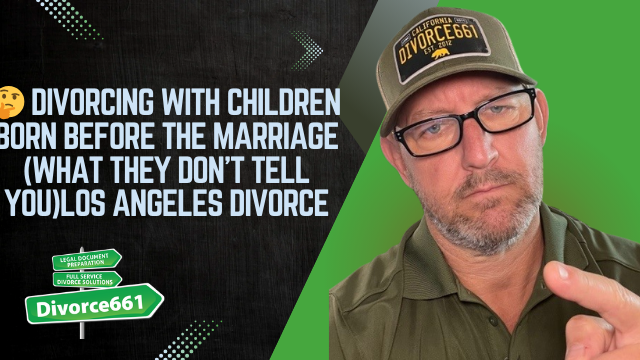
🤔 Divorcing with Children Born Before the Marriage (What They Don’t Tell You) | California Divorce

🤔 Divorcing with Children Born Before the Marriage (What They Don’t Tell You)

Going through a divorce is complicated enough, but when children born before the marriage are involved, the process can become even more challenging. Many people don’t realize there are specific legal requirements that need to be met to avoid delays or rejections in court. As someone who has handled numerous cases in this area, I want to share crucial information that often gets overlooked but can make a significant difference in your divorce proceedings.


.

Understanding the Importance of the Declaration of Paternity

In my experience, I’ve recently encountered five new cases where the spouses had children born before their marriage. This situation is more common than you might think, and if you fall into this category, there is a critical step you need to take when filing your divorce petition.

Specifically, you must attach the Declaration of Paternity to your petition. This document legally establishes who the father of the child is, which is essential for custody, support, and other family law issues during divorce.

Why is the Declaration of Paternity Necessary?

Without this declaration attached, your divorce paperwork—particularly the judgment form known as FL-170—is at risk of being rejected by the court. The FL-170 is a vital document in finalizing divorce orders, and courts require all relevant information regarding children involved, including those born before the marriage.

Failing to provide the Declaration of Paternity can cause unnecessary delays and complications, which no one wants during an already stressful time. Ensuring this document is included helps clarify parental rights and responsibilities from the outset.

Steps to Take When Divorcing with Children Born Before the Marriage

  • Identify all children born before the marriage: Be upfront and clear about all children involved, regardless of when they were born.
  • Obtain and complete the Declaration of Paternity: This form legally confirms the paternity of the child. It’s essential to have this on file before submitting your divorce petition.
  • Attach the Declaration of Paternity to your petition: When filing, make sure this document accompanies your paperwork.
  • Include the Declaration with your FL-170 Judgment: This ensures the court has all necessary documentation to proceed without rejecting your judgment.
  • Consult with your attorney or family law professional: If you have any doubts or questions about the process, seek legal advice to avoid pitfalls.

Why Courts Are Strict About This Documentation

Family courts prioritize the best interests of the children involved in any divorce case. Establishing clear parentage through the Declaration of Paternity is a foundation for decisions about custody, visitation, and child support. Courts want to avoid ambiguity and ensure every child’s rights are protected, which is why they enforce strict documentation requirements.

Final Thoughts

Divorcing when children were born before the marriage comes with unique challenges that most people are not prepared for. One of the most commonly overlooked yet critical steps is attaching the Declaration of Paternity to both your divorce petition and the FL-170 judgment form. Without this, your paperwork could be rejected, causing delays and additional stress.

By understanding and following these requirements, you can help ensure your divorce process goes more smoothly and that your children’s rights are properly represented. If you’re navigating this situation, take this advice seriously—it could save you time, money, and heartache.

For more insights and guidance on divorce, especially when children are involved, keep informed and prepared. Your family’s future depends on it.

🙌 Why They’re STILL MARRIED 5 Years After Filing For Divorce | Los Angeles Divorce

🙌 Why They’re STILL MARRIED 5 Years After Filing For Divorce: Los Angeles Divorce #divorce661

Sometimes, what seems like a straightforward process can turn into a long, drawn-out ordeal—especially when it comes to divorce. I recently encountered a case that perfectly illustrates this. A couple filed for divorce back in 2019, thinking they could handle everything themselves because they believed it was a simple procedure. Fast forward over five years, and they were still legally married. They finally reached out to me, and in just two days, we took over their case, finalized the paperwork, and I’m about to submit it to the court for approval.

Why Divorce Isn’t Always as Simple as It Seems

Many people assume that filing for divorce is a quick, easy process, especially if the case appears straightforward. Unfortunately, that’s often not the reality. Divorce involves complex legal requirements, paperwork, and court procedures that can be overwhelming for those without legal experience.

In this particular case, the clients thought they could manage on their own. They filed their case in 2019, but due to the complexities and lack of proper guidance, their divorce never finalized. This is a common problem when people underestimate the importance of professional help.

The Consequences of DIY Divorce Attempts

Attempting to navigate the divorce process without expert advice can lead to significant delays and frustration. Here’s what often happens:

  • Papers get filed incorrectly or incompletely.
  • Deadlines are missed, causing the case to stall.
  • Legal requirements may be misunderstood, resulting in rejected filings.
  • Emotional stress increases as the process drags on without resolution.

For the couple in question, these challenges meant they remained legally married for over five years despite initiating the divorce process. This delay can impact everything from financial planning to emotional closure.

How Professional Legal Support Can Turn Things Around

Once the clients contacted me, I was able to step in and expedite their case. Here’s how professional intervention made all the difference:

  1. Review and correction: I thoroughly reviewed their existing paperwork and identified what needed to be fixed or completed.
  2. Finalization: We finalized all necessary documents, ensuring everything was legally sound and ready for submission.
  3. Quick submission: Within just two days, I prepared everything and submitted their case to the court for approval.

This swift action demonstrates the value of having an experienced divorce professional guide you through the process. It not only saves time but also reduces stress and helps avoid costly mistakes.

Key Takeaways for Anyone Considering Divorce

If you’re thinking about filing for divorce, keep these important points in mind:

  • Don’t underestimate the process: Even if your divorce seems simple, legal procedures can be complex.
  • Seek expert help: Consulting with a divorce attorney or legal expert can prevent delays and errors.
  • Act promptly: Delays in paperwork or court filings can extend the process significantly.
  • Understand your case: Make sure you are fully informed about what is required at every step.

Conclusion

Divorce is rarely as easy as it looks on paper. The story of this couple, who remained married for over five years after filing, highlights the pitfalls of going it alone. With the right legal support, however, even long-stalled cases can be resolved quickly and efficiently. If you’re navigating a divorce, don’t hesitate to get professional help to ensure your case moves forward without unnecessary delays.

Remember, understanding the process and having expert guidance can make all the difference between a quick resolution and years of unintended wait.

💁‍♀️ Ladies Should ALWAYS Restore MAIDEN NAME in Divorce: Uncontested California Divorce | California Divorce

💁‍♀️ Ladies Should ALWAYS Restore MAIDEN NAME in Divorce: Uncontested California Divorce

When going through a divorce in California, one decision that many women face is whether or not to restore their maiden name. Tim Blankenship from Divorce661 shares practical advice on this topic that every woman should consider before finalizing their divorce paperwork. In this article, we’ll explore why restoring your maiden name is an option you should always select on the judgment — even if you’re unsure about immediately using it — and the benefits of having this choice available to you.

Why You Should Always Select the Option to Restore Your Maiden Name

During the divorce process, the court judgment often includes a section about your name after the divorce. Tim Blankenship advises women to always choose to restore their maiden name on the judgment. This recommendation is straightforward but powerful: selecting this option does not obligate you to change your name right away or at all. Instead, it simply provides you with the flexibility to do so in the future if you decide it’s right for you.

“If you can’t decide on whether or not you want to restore your maiden name, I recommend you go ahead and select that on the judgment. It doesn’t mean you have to go out and do it, it just gives you the option to do it if you decide to do so.”

This small but important step ensures that you have the legal right to use your maiden name without additional court proceedings or paperwork later on. It’s a practical move that saves time, money, and potential hassle down the road.

The Benefits of Restoring Your Maiden Name in Divorce

Restoring your maiden name can be more than just a symbolic fresh start. Here are some reasons why having the option available is beneficial:

  • Personal identity: Reclaiming your maiden name can help you reconnect with your individual identity after the end of a marriage.
  • Professional reasons: If your maiden name is tied to your career or professional brand, restoring it can simplify your public and professional life.
  • Legal convenience: Selecting this option in your divorce judgment avoids the need for a separate legal name change process later.
  • Flexibility: You have the freedom to decide if and when you want to use your maiden name without pressure or additional legal steps.

How to Make the Decision

It’s understandable that some women might feel uncertain about changing their name immediately after divorce. You might want to keep your married name for your children, professional reputation, or simply because it feels familiar. That’s why the key takeaway is to choose the option to restore your maiden name on the judgment anyway. This choice keeps the door open without forcing an immediate decision.

If you later decide to restore your maiden name, the judgment will already have authorized it, making the process straightforward. If you choose to keep your married name, there’s no impact — you simply retain the name you want.

Final Thoughts

Divorce can be overwhelming, with many important decisions to make. One simple step can make a big difference: always select the option to restore your maiden name on the divorce judgment. This gives you the freedom and flexibility to reclaim your maiden name if and when you want.

Remember, this choice does not commit you to changing your name immediately — it simply provides you with the option. It’s a practical, empowering decision that every woman navigating an uncontested California divorce should consider.

For more guidance on divorce and related topics, you can find additional resources and advice from Tim Blankenship at Divorce661.

👀 DO NOT List THESE Kids When Filing for Divorce: Santa Clarita Divorce Advice | Santa Clarita Divorce

👀 DO NOT List THESE Kids When Filing for Divorce: Santa Clarita Divorce Advice

When navigating the complexities of divorce, especially in Santa Clarita, it’s crucial to understand which children are legally considered part of the divorce proceedings. Tim Blankenship from Divorce661, a trusted voice in divorce guidance, offers a straightforward but often overlooked piece of advice: only minor children born to both spouses should be included when filing for divorce.

Understanding Which Children Are Included in Divorce Proceedings

One common misconception during divorce filings is the assumption that all minor children related to either spouse will automatically be part of the divorce case. However, this is not the case. The law specifically considers only the children born to both parties involved in the marriage as part of the divorce.

This distinction is important because it directly affects custody, child support, and visitation rights determined during the divorce. Children who are biologically related to only one spouse and not the other are generally not included in the divorce paperwork or negotiations.

Why Does This Matter?

  • Legal Custody and Support: Custody arrangements and child support obligations typically apply only to children shared by both spouses.
  • Clarity in Proceedings: Including only the relevant children prevents confusion and streamlines the legal process.
  • Protecting Parental Rights: It ensures that the rights and responsibilities of each parent are properly assigned according to the law.

What About Stepchildren or Children from Previous Relationships?

While stepchildren or children from previous relationships are important family members, they are treated differently in divorce cases. These children do not automatically become part of the divorce unless there is a legal adoption or other formal agreements in place.

For parents with blended families, this means the divorce process will focus on the children born to both spouses, while the rights and responsibilities related to other children may need to be addressed separately through custody or guardianship arrangements outside of the divorce itself.

Additional Considerations

  • If you want to establish custody or visitation rights for children not born to both spouses, you may need to pursue separate legal actions.
  • Consulting with a family law attorney can help clarify how your specific family situation will be handled legally.
  • Understanding these distinctions ahead of time can prevent unnecessary complications and emotional stress during the divorce process.

Conclusion: Focus on the Right Children When Filing for Divorce

Tim Blankenship’s advice is clear and invaluable for anyone facing divorce in Santa Clarita: do not list children who are not born to both spouses when filing for divorce. This simple guideline helps ensure the divorce case remains focused and legally accurate, protecting the interests of all parties involved.

Divorce is challenging enough without adding confusion over family dynamics. By understanding who is legally part of the divorce, you can approach the process with greater confidence and clarity.

For more insights and guidance on divorce matters in Santa Clarita, visit Tim Blankenship Divorce661.

NO WAY THIS IS POSSIBLE: We Finalized this Divorce in 3 Days — Los Angeles Uncontested Divorce | Los Angeles Divorce

NO WAY THIS IS POSSIBLE: We Finalized this Divorce in 3 Days — Los Angeles Uncontested Divorce

I’m Tim Blankenship from Divorce661. You have to check this out — we handled an uncontested Los Angeles County divorce that moved from filing to finalization in just three days. That kind of speed sounds unbelievable, so in this post I’ll walk you through the exact timeline, the critical steps we took, why this is unusual, and practical tips if you’re trying to move an uncontested dissolution along as quickly as possible.

Quick Case Snapshot (What Actually Happened)

  1. August 17, 2023 — The petition (the initial divorce filing) was submitted to Los Angeles County.
  2. August 18, 2023 — We filed the response immediately the next day; the docket shows “respondent appeared.”
  3. August 21, 2023 at 8:00 AM — We submitted the Judgment paperwork.
  4. August 21, 2023, eight hours later — The Judgment was approved. It only took an entire three days to get this divorce finalized.

“It only took us an entire three days to get this divorce finalized.”

How We Did It: Key Factors That Made Fast Finalization Possible

Speed like this isn’t magic — it’s planning, paperwork, and a few fortunate conditions. Here are the elements that aligned:

  • Fully prepared paperwork: Petition, Response, and complete Judgment packet were ready to file without missing information.
  • Immediate response: The respondent’s appearance (or filing of the response) happened the day after the petition was filed, which removed delay from contested process steps.
  • Clear agreement: The parties were uncontested on key issues (property, debts, support, if applicable), so the court had no unresolved disputes to adjudicate.
  • Timely submission of the Judgment: We submitted the proposed Judgment right away — and it was accepted the same day.
  • Court processing and availability: Administrative processing in this instance was efficient, and the clerk approved the paperwork within hours.

Essential Documents & Steps You Need

  • Petition (Dissolution of Marriage) — the initial filing.
  • Proof of Service — to show the other party was properly served (unless they signed a waiver).
  • Response or Appearance — showing the respondent has entered an appearance, or filed a response.
  • Marital Settlement Agreement or clear written terms — covering division of assets/debts, support, and any custody/visitation if children are involved.
  • Judgment and Notice of Entry of Judgment forms — completed and ready for the court to sign.
  • Any required local court forms and filing fees (or fee waiver).

Why This Outcome Is Unusual — Important Caveats

Before you expect a three-day turnaround, understand that California family law has built-in timelines and realities that usually prevent such speed. For example:

  • Mandatory waiting period: California typically has a six-month waiting period from the date of service before a divorce can be finalized. That waiting period cannot generally be waived by the parties or the court.
  • Case-specific factors: Rapid finalization like this can occur if the six-month period was already satisfied prior to filing, if the procedural posture of the case is unique, or due to administrative/clerical circumstances in the court’s handling.
  • Not every county or court clerk processes documents this quickly: Local policies, court workload, and e-filing capabilities affect timing.

In short: while this case moved exceptionally fast, that outcome depends heavily on timing, paperwork completeness, and circumstances unique to the case. Always verify timelines with the court or consult an attorney.

Practical Tips to Move an Uncontested Divorce Faster in LA County

  • Prepare and review every form before filing — missing info causes delays.
  • File the response or acceptance of service promptly — a quick respondent appearance removes many procedural holds.
  • Use e-filing where available to reduce clerk turnaround times.
  • Submit a complete Judgment packet (including proposed decree and Notice of Entry) so the court has everything needed to sign off.
  • Resolve property and support issues ahead of filing — courts move faster when there are no disputes to adjudicate.
  • Check local court rules and calendars — some courts have dedicated family law departments or staffing that can influence speed.
  • Communicate clearly with the other party — cooperation shortens the process dramatically.

Common Pitfalls to Avoid

  • Filing incomplete or incorrect forms — leads to rejections and delays.
  • Failing to properly serve the other party or to file proof of service.
  • Assuming the court will waive statutory waiting periods — that’s usually not possible.
  • Relying on verbal agreements — get settlement terms in writing and signed by both parties.
  • Not checking local court procedures for required additional forms or notices.

Conclusion

Yes — in this specific Los Angeles County case we finalized an uncontested divorce in three days. The timeline was:

  1. File petition (Aug 17)
  2. Respondent appeared/response filed (Aug 18)
  3. Submitted Judgment and approved (Aug 21)

That result was driven by complete paperwork, immediate cooperation, and efficient court processing. While this is an exciting example of how fast an uncontested case can move, it’s not the norm because of California’s statutory timelines and local court practices. If you’re aiming for a quick uncontested divorce, follow the practical tips above, and consider consulting an attorney to make sure your paperwork and timing are handled correctly.

For the full walkthrough of this case and my on-camera explanation, check out the original video by Tim Blankenship (Divorce661). If you have questions about how this could apply to your situation, reach out to a qualified family law attorney — this post is informational and not legal advice.

YOUR Paralegal SUCKS: Uncontested California Divorce | California Divorce

YOUR Paralegal SUCKS: Uncontested California Divorce

I’m Tim Blankenship from Divorce661. I take calls every day from people trying to navigate uncontested California divorces, and yesterday’s call stuck with me. A client hired a paralegal to prepare and file their paperwork—and the result was worse than if they’d tried to do it themselves. This isn’t about shaming someone once; it’s about protecting people from sloppy work that costs time, money, and legal rights.

What happened: a real example of paperwork gone wrong

The paralegal missed adding a child to the petition. Not a small oversight—an entire person was omitted. Then they filed a motion to schedule a child custody and child support hearing even though both parties were in agreement on custody and support. In short: unnecessary litigation, wasted time, and avoidable stress.

“You could have done a better job than this paralegal.”

Why this matters

In an uncontested divorce, people are trying to save money and get through the process without courtroom battles. The point of hiring help is to make the process smoother and legally correct. When the professional you hire causes mistakes, the whole point is defeated. Missing a child on a petition can lead to jurisdictional and enforcement problems down the line, and filing motions that contradict the parties’ agreement wastes court time and client money.

Common paralegal mistakes (and how they hurt you)

  • Omitting a child or dependent from paperwork — can affect custody, support, and parental rights.
  • Filing unnecessary motions — creates extra hearings, costs, and delays.
  • Failing to correctly complete standard forms — can lead to rejections, continuances, or unintended legal consequences.
  • Not confirming the client’s actual agreement before filing — mistakes here change the legal record.
  • Poor communication about what was filed and why — leaves clients in the dark and unable to fix issues promptly.

Checklist: What to verify before your paralegal files anything

  • All parties and children are listed exactly as they should be.
  • The petition, response, and any proposed orders reflect the agreement between the parties.
  • No motions are being filed that contradict the agreed terms (e.g., scheduling a contested hearing when the parties are in agreement).
  • Copies of all filed documents are provided to you, with filing receipts and dates.
  • Key deadlines and next steps are clearly explained and documented.
  • If you’re unsure about a legal issue, get an attorney review before filing.

What to do if your paralegal screws up

  • Ask for an immediate, written explanation of what was filed and why.
  • Demand corrected filings as soon as possible and get confirmation from the court.
  • Keep all communication in writing so you have a record.
  • Consider a consult with an attorney to assess any legal impact and remedies.
  • If the error caused financial or legal harm, discuss possible remedies—starting with the paralegal and, if necessary, escalating to legal counsel.

How to choose a competent paralegal

  • Check experience specifically with uncontested California divorce cases.
  • Ask for references or sample forms they use (with personal info redacted).
  • Confirm they will provide copies of all filings and explain each document.
  • Make sure they have liability coverage or a clear refund/redo policy in case of errors.
  • Trust your instincts—if they seem unsure about basic issues, walk away.

Final word

If you’re going to be in this business, do it right. If you don’t know how to do it, don’t take people’s money.

“If you’re going to be in this business do it right. If you don’t know how to do it don’t take people’s money.”

Protect your rights and your time: verify filings, insist on clear communication, and don’t be afraid to get a second opinion. An uncontested divorce should simplify your life—not complicate it.

DIVORCE ATTORNEYS ARE DRAGGING OUT YOUR DIVORCE | California Divorce

DIVORCE ATTORNEYS ARE DRAGGING OUT YOUR DIVORCE

I’m Tim Blankenship from Divorce661. In this article I tackle a question I hear all the time: why does it feel like divorce attorneys are trying to prolong your divorce? If you and your spouse are amicable, there’s often no reason a case should take years. Below I explain what drives delay, how common billing practices factor in, and—most importantly—what you can do to move your case along without getting drained financially.

Why it feels like attorneys drag out divorces

When a divorce turns into a multi-year slog, it’s frustrating and expensive. There are many reasons delays happen, but one recurring explanation I see is financial incentive. Lawyers who bill by the hour and require retainers can create a system where longer cases generate more fees. That dynamic can make clients feel like their attorney has a motive to keep things open-ended instead of pushing for a timely resolution.

The role of retainers and hourly billing

Standard billing practices play a huge role in how cases proceed. A typical pattern looks like this:

  • A client gives a retainer—often several thousand dollars (for example, $5,000).
  • The attorney bills hourly at a rate that might be in the $300–$500 per hour range (or more).
  • Work is performed and billed against the retainer; when the retainer is exhausted, clients are asked to replenish it.

“When you give a retainer of $5,000 and their bill is $300 to $500 an hour, do you think you’re ever going to get any of that money back? No. They’re going to drag the case out as long as it takes until that money is gone.”

That quote reflects a common perception—and sometimes a reality—especially when goals and timelines aren’t set up front.

When an amicable divorce should be quick

If both spouses are cooperative, an uncontested or mediated divorce can often be finalized in a matter of months, not years. When both parties agree on division of assets, child custody, support, and other key issues, the court’s role is mainly to approve the agreement. There’s no reason to run endless discovery or wage protracted motions if nothing is contested.

How to protect yourself: practical steps

You don’t have to accept drawn-out litigation. Here are concrete tactics to prevent unnecessary delay and expense.

  • Ask for a clear fee agreement: Get a written contract that states hourly rates, retainer amount, billing increments, and how often you’ll receive statements.
  • Request a timeline: Ask your attorney to provide a realistic timeline for each phase and what triggers moving to the next step.
  • Consider flat-fee or limited-scope representation: Flat fees or unbundled services (paying for specific tasks) can remove the incentive to bill more hours.
  • Use mediation or collaborative law: These alternatives are designed to reach settlement faster and with less conflict.
  • Stay engaged: Review invoices closely, ask for explanations of vague entries, and set limits for what you’ll approve.
  • Communicate expectations with your spouse: If both sides want a quick end, put that preference in writing or through your attorneys so there’s no ambiguity.

Alternative paths that speed things up

If you’re looking to avoid prolonged litigation, consider these options:

  • Uncontested divorce: When agreements are reached privately, you submit a settlement to the court for approval. This is usually the fastest route.
  • Mediation: A neutral mediator helps you negotiate terms, often faster and cheaper than litigation.
  • Collaborative law: Each spouse hires an attorney committed to settlement outside court; if talks fail, attorneys withdraw and litigation starts anew.
  • DIY with limited attorney review: For straightforward cases, handle paperwork yourself and pay an attorney for a document check or limited advice.

Questions to ask any attorney you consider

  1. Do you offer flat-fee options or limited-scope representation?
  2. What is your hourly rate and billing increment (e.g., 6 or 15 minutes)?
  3. How often will I receive invoices and detailed billing statements?
  4. What timeline do you expect for settling a case like mine?
  5. How do you handle communication and client approvals for major decisions or fees?

What to expect from the process

Even amicable divorces require certain steps: filing the petition, exchanging financial information, drafting settlement terms, and submitting documents to the court. But when both parties cooperate, these steps can be handled efficiently. If your attorney isn’t helping keep things moving, it’s reasonable to push back or look for counsel whose philosophy matches yours.

Conclusion

It’s understandable to suspect your attorney is prolonging your divorce for profit—especially when retainers and hourly rates are involved. But you have options. Ask for transparency, seek flat-fee or limited services, explore mediation or collaborative law, and keep a firm hand on timelines and bills. Your goal is a fair resolution, not an endless bill. If you want the process to be quick and clean, be proactive about how your case is handled and choose representation that shares that goal.

If you’d like more guidance on picking the right path for your situation, I’m Tim Blankenship from Divorce661—reach out to learn practical next steps tailored to your case.

Reduce Your Chances Of Divorce By 50% | California Divorce

Reduce Your Chances Of Divorce By 50%

In a short, blunt, and slightly cheeky clip, Tim Blankenship of Divorce661 delivers one of those one-liners that’s equal parts humor and truth: sometimes the smallest efforts can move the needle on a relationship. I saw the point clearly — and I want to unpack it for you, expand on why that idea works, and give practical steps you can use today. (And yes: this goes for you men also!!)

The simple claim

Put your makeup on, get your nails done, and pull your hair around the extra mile. Reduce your rate of divorce by fifty percent.

That line is funny because it’s blunt, but it’s also shorthand for a deeper idea: effort matters. The choices we make every day — how we present ourselves, how much attention we give our partner, and the small rituals we keep — communicate care, respect, and commitment.

Why small acts of grooming and effort matter

  • Signals of value: When someone invests in their appearance and in shared rituals, it signals that the relationship matters and that they still want to be seen.
  • Attraction and novelty: Intimacy thrives when partners still find each other attractive. Small changes and upkeep help keep attraction alive.
  • Routine vs. effort: Relationships can slip into comfortable autopilot. Effort breaks that autopilot and creates positive momentum.
  • Reciprocity: One partner’s visible effort often encourages the other to respond in kind — and reciprocity strengthens bonds.

What “put your makeup on…” really means

It isn’t about grooming for grooming’s sake. It’s about choice and attention. The message you send when you take the extra minute to look presentable is: I care enough to show up. That can be as simple as combing your hair, wearing something you know your partner likes, or making time for a proper date night.

These small signals add up. They communicate respect, zest for life, and intention — all the things that slow the drift toward dissatisfaction and, eventually, separation.

Actionable steps — a practical checklist

Try these habits to create steady, relationship-protecting momentum:

  • Daily basics: Make personal hygiene and presentation non-negotiable. It’s not about perfection; it’s about consistency.
  • Compliments & appreciation: Tell your partner what you like about them, physically and otherwise, at least once a day.
  • Planned connection: Schedule a weekly date night — no phones, no chores, just focus.
  • Physical touch: Small touches throughout the day (holding hands, hugs) keep intimacy active.
  • Shared responsibility: Keep chores and errands balanced so resentment doesn’t build quietly.
  • Surprise & novelty: Mix things up occasionally — a new restaurant, a spontaneous outing, a little gift.
  • Talk honestly: Share needs and frustrations calmly and without blame. Ask, listen, and follow up.
  • Invest in yourself: Hobbies, fitness, and social life make you more interesting and engaged — both for yourself and your partner.
  • Professional help when needed: Don’t wait until problems feel unfixable. Counseling can teach skills that prevent breakdowns.

This applies to men, too

That line — “This goes for you Men Also!!” — is important. Effort isn’t gendered. Men who make grooming, communication, and emotional availability a priority often see the same benefits: better attraction, smoother home life, and fewer nagging resentments. Pride and ego sometimes get in the way; choosing daily humility and effort keeps relationships healthy.

A simple 30-day plan

  1. Days 1–7: Re-establish basics. Improve hygiene, wardrobe tweaks, and five compliments per day.
  2. Days 8–15: Add quality time. Schedule two 60-minute no-phone sessions for real conversation or a proper date.
  3. Days 16–23: Introduce novelty. Try one new activity together and one small surprise for your partner.
  4. Days 24–30: Reflect and adjust. Talk about what worked, keep the habits that felt meaningful, and plan the next 30 days.

Conclusion

The idea that “put your makeup on, get your nails done, and pull your hair around the extra mile” reduces divorce risk by 50% is a punchy way to remind us: effort matters. It isn’t a magic pill, but consistent, visible care — in appearance, attention, and actions — goes a long way toward keeping a relationship healthy.

If you want a quick, no-nonsense nudge in this direction, check out the original clip from Tim Blankenship (Divorce661) for the one-line spark that inspired this breakdown — then pick one small thing to do today. Little choices add up.